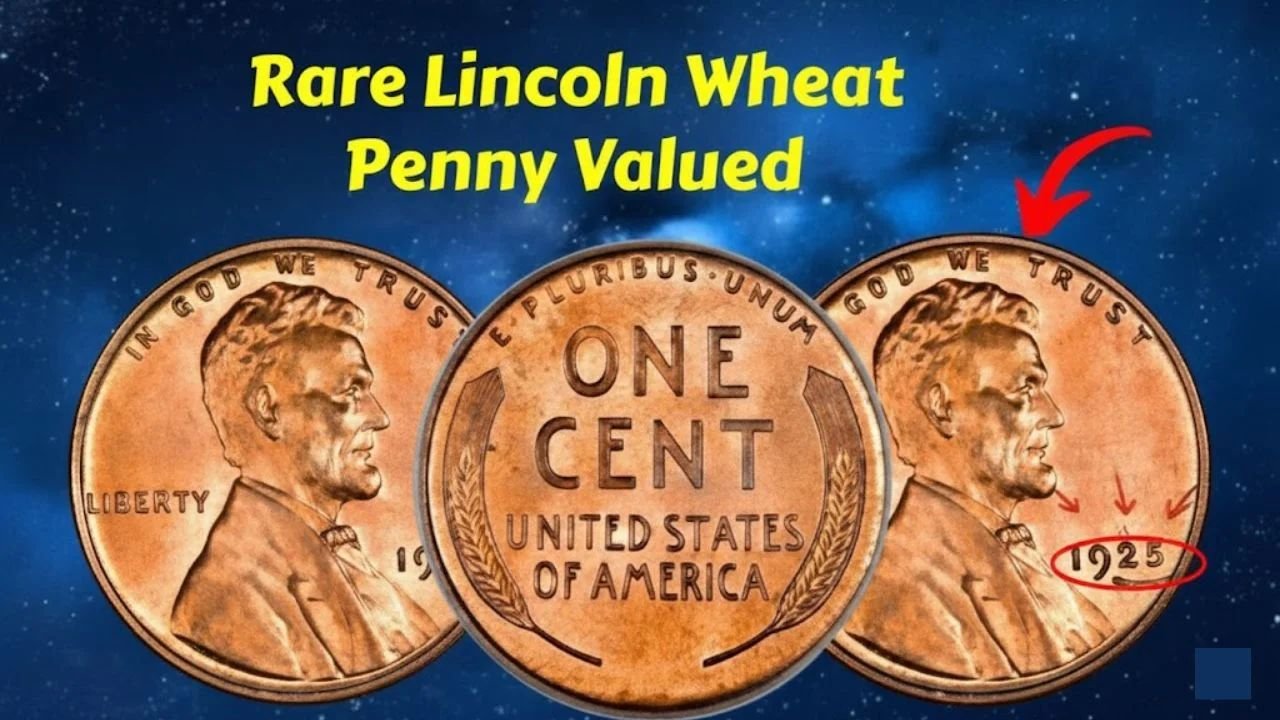
A humble Lincoln Wheat Penny might look like ordinary change, but some editions have become prized treasures for collectors. First introduced in 1909, these coins feature Abraham Lincoln on the front and two wheat ears on the back, marking the first time a real person appeared on U.S. currency. While billions were minted for daily use, certain rare pennies are now commanding prices exceeding $576,000, making them a must-watch for both novice and experienced collectors.
The fascination with Wheat Pennies isn’t just about nostalgia—it’s about scarcity and unique features. Coins with production errors or limited mint runs can be worth extraordinary sums. From misstruck copper pennies to the elusive 1909-S VDB, collectors are constantly on the lookout for coins that stand out.
What Makes Some Wheat Pennies So Valuable

Not every Wheat Penny holds high value. Many remain worth only a few rupees. The rare ones, however, owe their worth to low mintage numbers, design variations, or minting errors. Coins in excellent condition further increase in value because collectors prize sharp detail and minimal wear.
Historic Design Features
The Lincoln Wheat Penny was designed by Victor David Brenner. Early 1909 pennies included his initials, “VDB,” on the reverse. Public complaints over the prominent letters led to their removal, making the original 1909-S VDB pennies some of the rarest and most valuable today. Even subtle design variations can dramatically influence a coin’s market price.
Error Coins That Drive Prices
Some coins became iconic due to minting errors:
- 1955 Doubled Die Penny: Letters and numbers appear doubled due to a production error.
- 1943 Copper Penny: While most 1943 pennies were steel for wartime metal conservation, a few copper coins were accidentally produced, making them exceptionally rare.
Collectors prize these anomalies because they are hard to find and offer a direct link to U.S. minting history.
How to Start Collecting
Beginning a Wheat Penny collection is surprisingly straightforward. Old coins can be found in family collections, piggy banks, or purchased from banks. A magnifying glass is useful for spotting tiny details, mint marks, or design errors. Joining a coin club or consulting experienced collectors helps beginners avoid common mistakes and quickly learn which coins are worth tracking.
Proper Coin Care
Preserving a coin’s condition is critical for maintaining value:
- Handle coins by the edges to avoid oils from fingers.
- Store in dry, shaded areas using protective holders or albums.
- Never clean coins, as polishing can reduce their value.
Lincoln Wheat Penny Quick Reference
| Feature | Details |
|---|---|
| First Year Made | 1909 |
| Last Year Made | 1958 |
| Designer | Victor David Brenner |
| Material | Mostly Copper |
| Weight | 3.11 grams |
| Diameter | 19 mm |
| Mint Marks | D, S, None |
| Rare Coins | 1909-S VDB, 1914-D, 1955 Doubled Die, 1943 Copper |
| Common Value | ₹5 – ₹400 |
| Rare Value | ₹10,000 – ₹4+ Crore |
Collector Tips
- Always check the year and mint mark.
- Look closely for doubled letters, numbers, or unusual features.
- Use gloves when handling rare coins.
- Keep coins in safe, protective holders.
- Avoid cleaning old coins.
- Learn from experienced collectors.
The Lincoln Wheat Penny is more than just a coin—it’s a piece of history with the potential for significant financial value. For those willing to examine coins carefully and preserve them properly, even everyday pennies can hide life-changing discoveries.