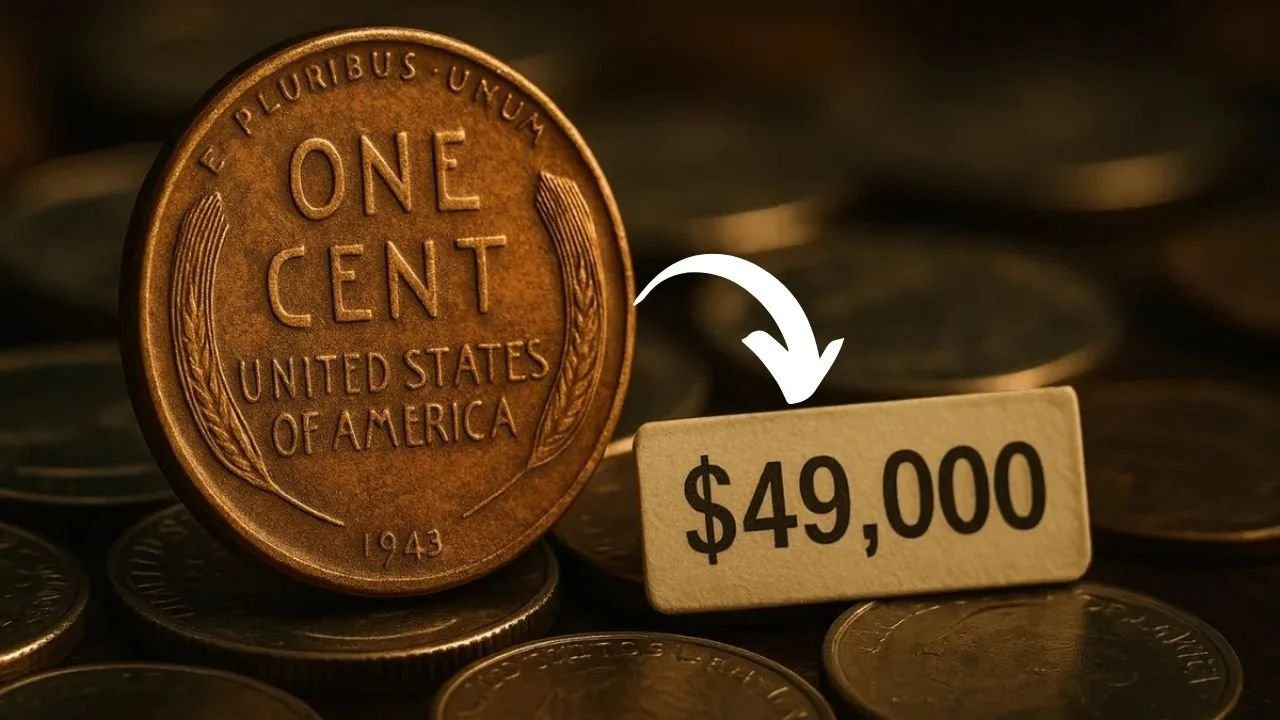
The Lincoln Wheat Penny, one of America’s most recognizable coins, continues to capture the attention of collectors and casual coin enthusiasts alike. While the majority of these pennies are worth just a few cents, rare versions can command extraordinary prices, with some fetching as much as $49,000. But what makes a small copper coin so valuable, and could one still be hiding in your spare change?
Introduced in 1909 to honor Abraham Lincoln’s 100th birthday, the Wheat Penny replaced the Indian Head cent. Designed by Victor David Brenner, it features Lincoln’s profile on the obverse and two wheat stalks on the reverse—a classic design that remained in circulation until 1958. Beyond being currency, these coins offer a tangible piece of American history, making them highly collectible.
Why Certain Wheat Pennies Command High Prices

Not all Wheat Pennies carry substantial value. The coins that do are generally rare due to one or more of the following factors:
Minting Errors
Pennies struck with doubled dies, off-center designs, or unusual coloring are highly sought after. Production mistakes create unique coins that collectors prize.
Year and Mint Mark
Some dates and mints are inherently rarer than others. Notable examples include the 1909-S VDB, 1914-D, and select 1943 pennies. These specific combinations are scarce, driving up market value.
Condition and Metal Composition
Uncirculated coins with sharp detail command higher prices. Certain 1943 pennies are particularly valuable because they were mistakenly struck in bronze rather than steel. These rare errors have sold for up to $49,000 depending on condition and authentication.
Could Wheat Pennies Still Be in Circulation?
It may seem unlikely, but some Lincoln Wheat Pennies are still found in everyday change. Millions were minted over decades, and while many have been collected or melted down, a few continue to surface in old coin rolls, piggy banks, and inherited collections. A keen eye and a little luck could uncover one of these hidden treasures.
How to Identify a Valuable Wheat Penny
When inspecting coins, focus on these key details:
- Year: Wheat Pennies were minted from 1909 to 1958.
- Mint Mark: Check below the date for “S” (San Francisco), “D” (Denver), or no mark (Philadelphia).
- Errors and Anomalies: Look for doubled letters, unusual alignment, or irregular coloration.
For high-value coins, professional authentication by services like PCGS or NGC is recommended to confirm rarity and grade.
Lincoln Wheat Penny Reference Table
| Feature | Details |
|---|---|
| Years Minted | 1909 – 1958 |
| Designer | Victor David Brenner |
| Material | Mostly Copper (with zinc/tin alloy) |
| Weight | 3.11 grams |
| Diameter | 19 mm |
| Mint Marks | D, S, None |
| Notable Rare Coins | 1909-S VDB, 1914-D, 1943 Bronze, 1955 Doubled Die |
| Common Value | $0.05 – $0.50 |
| Rare Value | $10,000 – $49,000+ |
Collector Tips
- Examine coins carefully using a magnifying glass.
- Handle coins by the edges to prevent oil damage.
- Store in protective holders or albums, away from sunlight and moisture.
- Avoid cleaning, as it can significantly reduce value.
- Learn from experienced collectors or coin clubs to recognize rare examples.
Final Thoughts
The Lincoln Wheat Penny is more than pocket change—it’s a piece of American history with the potential for significant financial reward. From minting errors to rare dates, these pennies remain a hidden treasure for those willing to look closely. Even a coin found in an old jar or inherited from a family collection could be worth tens of thousands of dollars today.