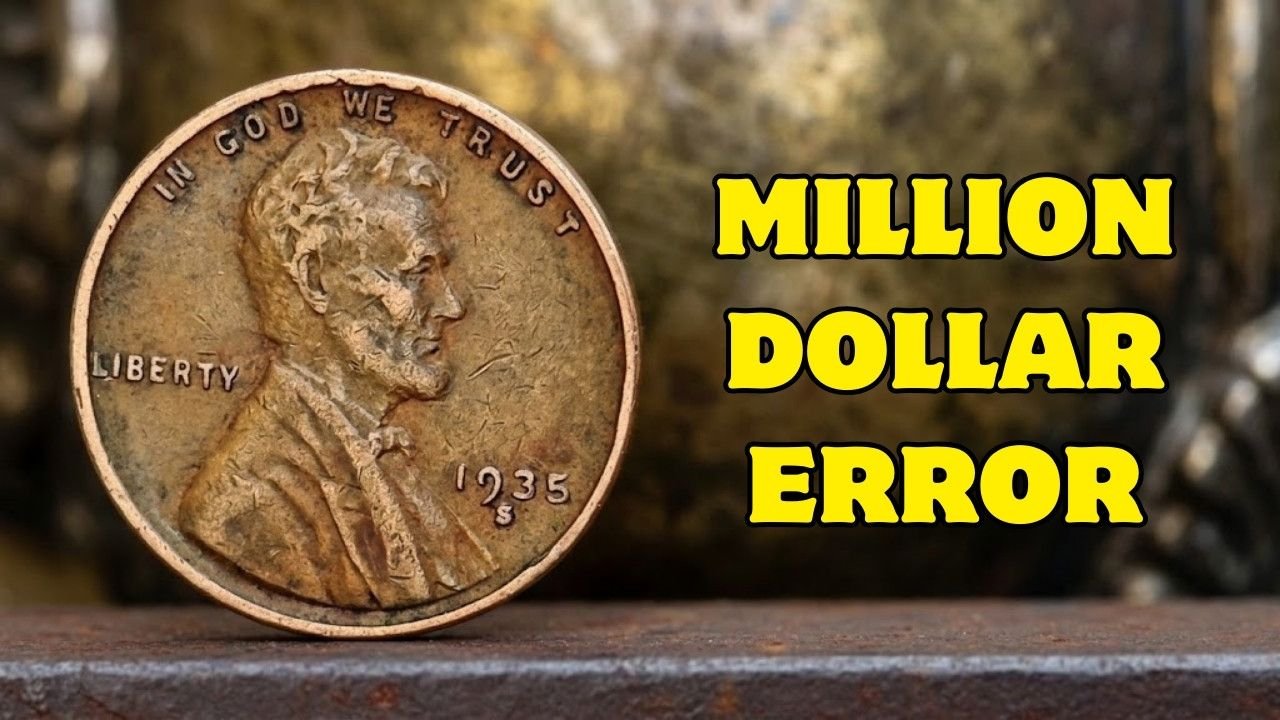
A seemingly ordinary penny from the 1930s could be hiding serious value. Among collectors, the 1935-S Lincoln Wheat Penny has emerged as a notable rarity. While millions were produced at the San Francisco Mint, only a fraction survive today in top condition, and pristine examples have sold for five-figure sums at auction.
With the 2026 collector market energized by rising interest in historic coins, even everyday pocket change warrants a second look. For enthusiasts, understanding what makes a 1935-S penny valuable can turn an ordinary find into a collectible treasure.
Why the 1935-S Wheat Penny Matters
Introduced in 1909 to honor Abraham Lincoln’s 100th birthday, the Lincoln Wheat Penny was designed by Victor David Brenner. The obverse features Lincoln’s portrait, while the reverse displays two wheat stalks framing the denomination. By 1935, this iconic design had circulated widely, with the San Francisco Mint producing over 38 million pennies.
Despite high mintage, surviving specimens in exceptional condition are rare. This scarcity, combined with historical significance and collector demand, drives the coin’s value.
Grading and Condition
A penny’s worth is heavily influenced by its grade, reflecting how well it has been preserved over the decades:
| Condition | Description | 2026 Estimated Value |
|---|---|---|
| Good to Fine | Heavily circulated | <$2 |
| Extremely Fine | Light wear, sharp details | ~$10 |
| MS63 Uncirculated | Mint State with minor imperfections | $20–$50 |
| MS67+ Superb Gem | Flawless, full red color | $7,500–$23,000+ |
High-grade coins, particularly those retaining their original red copper luster, are the most sought after and can command substantial sums at auction.
The Role of Color
Collectors assess wheat pennies by color: Brown (BN), Red-Brown (RB), or Red (RD). Coins graded Red retain at least 95% of their original mint brilliance. A 1935-S penny graded MS67 RD represents the pinnacle of desirability and has historically achieved the highest sale prices.
Rare Error Varieties
Even circulated coins can become valuable if they display minting anomalies. Key error types to watch for include:
- Doubled Die Obverse: Letters or dates appear doubled.
- Re-punched Mint Marks: The “S” shows signs of being stamped more than once.
- Off-Center Strikes: The design is misaligned, leaving part of the coin blank.
Such errors can elevate value significantly, sometimes into the hundreds or thousands, depending on rarity and clarity.
Authenticity and Verification
Before considering grading or sale, verify that a coin is genuine. A 1935-S penny should weigh roughly 3.11 grams, composed of 95% copper and 5% tin and zinc, with the “S” mint mark below the date and Brenner’s initials “VDB” at the base of Lincoln’s shoulder.
Professional grading by PCGS or NGC is essential for high-value coins. Certified grades protect against counterfeits and provide credibility for resale at auction.
Why Collectors Are Watching
The 1935-S Wheat Penny is more than loose change—it’s a piece of American history with investment potential. While most examples remain modest in value, rare, high-grade specimens can fetch tens of thousands of dollars. With careful inspection, knowledge of grading, and attention to color and minting errors, even coins found in drawers or jars today may hold surprising worth.
This coin exemplifies how historical artifacts, artistry, and scarcity converge to create collectibles that continue to captivate both seasoned numismatists and new collectors alike.